Healthy aging is supported by seven core, evidence-based habits: engaging in daily aerobic and resistance movement, maintaining a nutrient-dense whole-food diet, prioritizing 7–9 hours of restorative sleep, nurturing strong social connections, managing chronic stress, stimulating cognitive neuroplasticity, and utilizing targeted nutritional supplementation. Together, these habits help lower systemic oxidative stress, optimize metabolic health, and preserve physical independence to extend your overall healthspan.
Redefining What It Means to Grow Older
For decades, getting older was viewed as an inevitable decline in energy, strength, and vitality. Modern longevity science has flipped that script. We now understand that biological aging is dynamic and deeply influenced by the daily environment and signals we give our bodies.
At Vitaminspoon, we are dedicated to bringing you evidence-based wellness without the sensationalized hype or exaggerated anti-aging claims. We translate complex geroscience into practical, daily actions so you can feel empowered in your health journey.
While cutting-edge health technologies receive endless media attention, the foundation of living well for longer rests on simple, high-impact lifestyle habits. Let’s explore the seven science-backed habits that support healthy aging from the inside out.
The 7 Core Longevity Habits
┌─────────────────────────────────────────────────────────────┐
│                 THE HEALTHSPAN FOUNDATION                   │
├─────────────────────────────────────────────────────────────┤
│  Physical & Metabolic ──> Daily Movement, Whole Nutrition   │
│                                           │                 │
│                                           ▼                 │
│  Restorative & Neural ──> Deep Sleep, Cognitive Challenge   │
│                                           │                 │
│                                           ▼                 │
│  Cellular & Systemic  ──> Stress Control, Targeted Support  │
└─────────────────────────────────────────────────────────────┘
1. Build Muscle and Stay Aerobically Active
Physical movement is the most potent intervention available for extending healthspan.
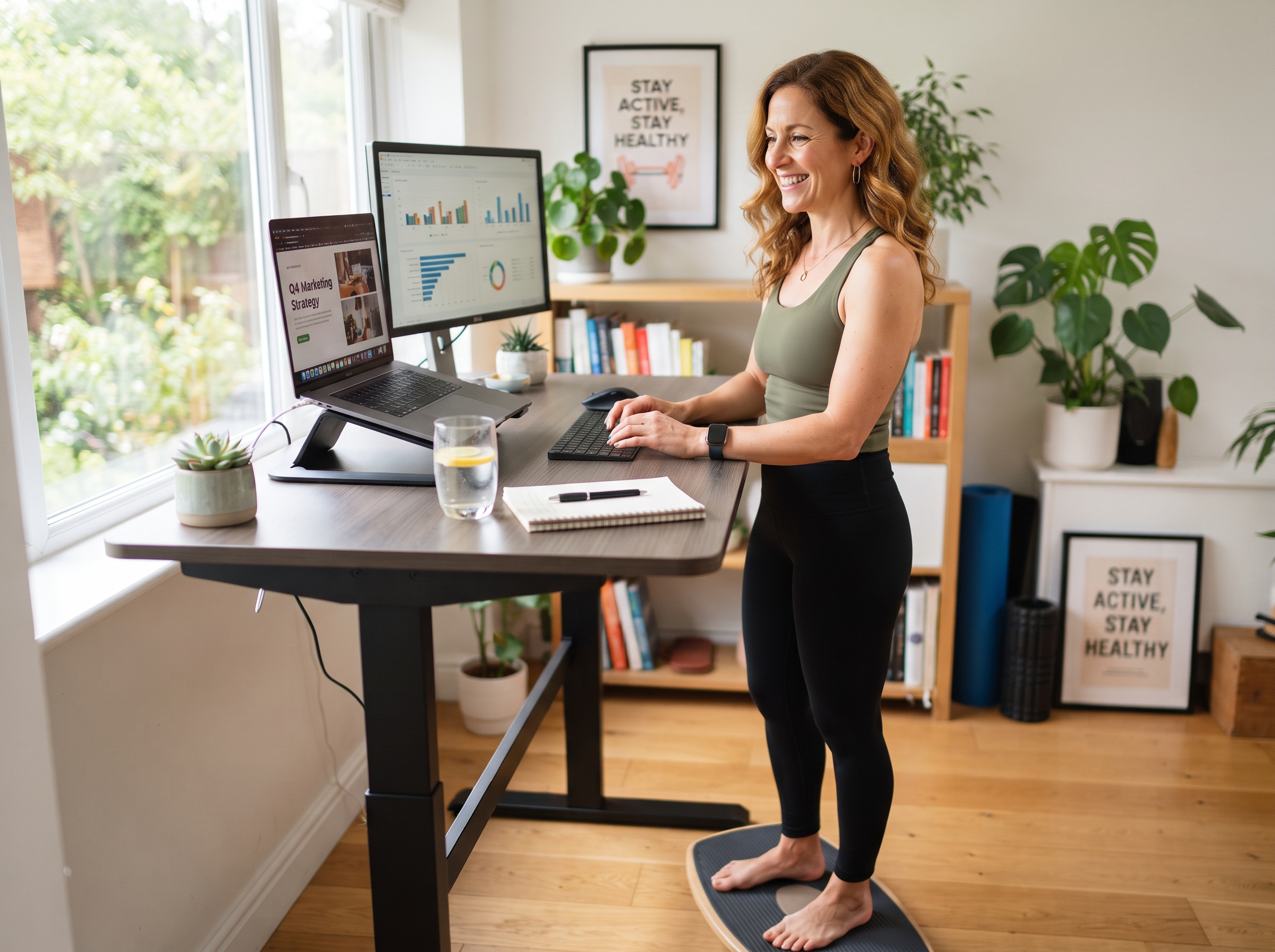
- Resistance Training: Lifting weights, using bands, or performing bodyweight exercises 2 to 3 times weekly preserves skeletal muscle mass and strength. Muscle tissue acts as a major reservoir for blood glucose disposal and secretes anti-inflammatory signaling proteins called myokines.
- Aerobic Movement: Daily brisk walking or zone-2 cardiovascular exercise stimulates endothelial cells to produce nitric oxide, promoting blood vessel elasticity and circulation.
2. Fuel Your Cells with Polyphenol and Fiber-Rich Foods
What you eat directly signals your metabolic and cellular repair pathways.
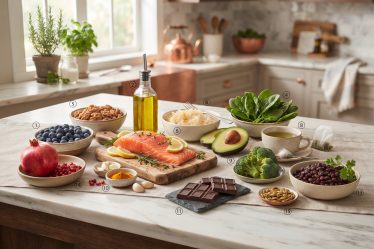
- Polyphenols & Antioxidants: Berries, dark leafy greens, extra virgin olive oil, and green tea contain natural plant compounds that help neutralize cellular oxidative stress.
- Fermentable Fiber: Beans, legumes, and whole grains feed beneficial gut microflora, which produce short-chain fatty acids like butyrate to support gut-barrier integrity and balance systemic inflammation.
3. Prioritize 7 to 9 Hours of Sleep Architecture
Sleep is not passive downtime; it is your brain and body’s primary repair window. During deep slow-wave sleep, the brain’s glymphatic system turns on to clear out cellular metabolic waste. Quality sleep also balances key hormones that regulate appetite, cortisol levels, and glucose metabolism.
4. Foster Strong Social Connections and Community
Human connection is a major biological driver of longevity. Observational research across global populations shows that individuals with strong social ties and regular community engagement experience lower systemic inflammation and better cognitive resilience. Loneliness, by contrast, creates a biological stress response that elevates chronic cortisol.
5. Practice Active Stress Regulation
Chronic, unmanaged psychological stress keeps the sympathetic nervous system on high alert, elevating circulating cortisol and accelerating biological aging. Integrating brief daily mindfulness, breathwork (such as box breathing), or outdoor time helps shift your autonomic nervous system into a parasympathetic, restorative state.
6. Challenge Your Brain with Novel Learning
Your brain retains the capacity to form new neural connections—a process known as neuroplasticity—throughout your entire life. Engaging in novel, cognitively demanding activities like learning a new language, mastering a musical instrument, or solving complex spatial puzzles stimulates Brain-Derived Neurotrophic Factor (BDNF) to protect cognitive health.
7. Bridge Nutritional Gaps with Targeted Science
Even with a clean diet, factors like age-related changes in nutrient absorption, modern soil depletion, and busy daily routines can make it challenging to obtain optimal levels of critical longevity nutrients. Strategic, high-purity supplementation helps fill these foundational gaps to support cellular energy, joint comfort, and cardiovascular resilience.
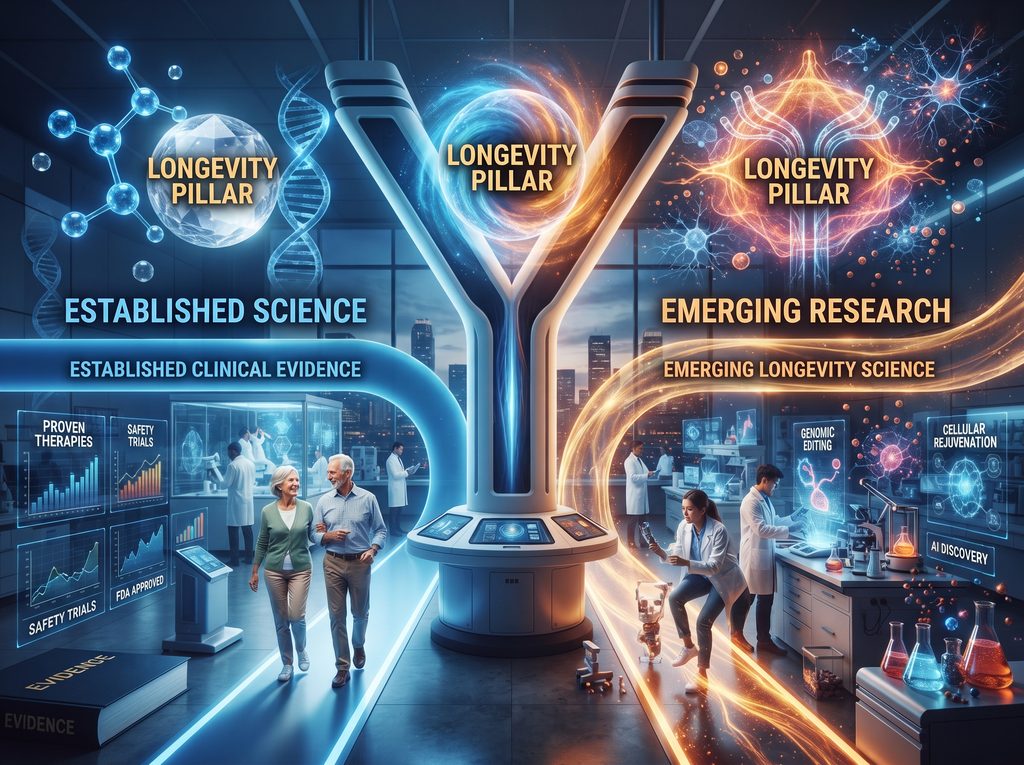
Established Science vs. Emerging Research
To make informed choices, it is important to distinguish established clinical consensus from exciting, emerging scientific frontiers:
| Longevity Pillar | Established Clinical Evidence | Emerging Longevity Research |
| Physical Activity | Regular exercise lowers mortality risk, preserves bone density, and maintains vascular flexibility. | Zone-2 heart rate training combined with bio-sensors optimizes mitochondrial density and metabolic efficiency. |
| Cellular Energy | Mitochondrial efficiency naturally declines with age, leading to lower ATP cellular energy production. | NAD+ precursors (such as NMN and NR) are evaluated for their potential to support cellular NAD+ pools and repair. |
| Cellular Health | Healthy dietary patterns lower markers of systemic oxidative stress and metabolic strain. | Natural senolytic compounds (like Fisetin and Quercetin) are studied for their ability to support the clearance of senescent cells. |
3 Ways to Make These Habits Stick
- Start with Habit Stacking: Anchor a new habit to an established routine. For example, practice 2 minutes of box breathing immediately after pouring your morning coffee.
- Focus on Consistency Over Intensity: Walking 7,000 steps every day creates far greater long-term biological benefit than doing an intense 2-hour workout once a month.
- Simplify Your Routine: Avoid overwhelm by focusing on small, actionable steps rather than trying to overhaul your entire lifestyle overnight.
Frequently Asked Questions (FAQ)
Is it ever too late to start adopting these healthy aging habits?
Never. Clinical research consistently demonstrates that adults who adopt resistance training, improved nutrition, and regular walking in their 60s, 70s, or 80s still experience significant gains in muscle strength, cardiovascular capacity, and mental clarity.
What is the difference between biological age and chronological age?
Chronological age is simply the number of years you have been alive. Biological age reflects the functional health of your cells, tissues, and organ systems, which can be influenced by diet, movement, sleep, and lifestyle habits.
Why is supplementation helpful alongside a healthy diet?
While a whole-food diet is the irreplaceable foundation of health, dietary intake alone may not always provide therapeutic levels of specific nutrients—such as omega-3 fatty acids, specialized polyphenols, or cellular energy cofactors—especially as nutrient absorption naturally decreases with age.
Taking charge of your healthspan should be empowering, straightforward, and inspiring. You don’t need to spend hours researching unverified trends or guessing which routines actually work.
At Vitaminspoon, we make it simple to put longevity science into practice. Our curated collection of high-purity, third-party tested supplements—ranging from cellular energy precursors and omega-3s to bioavailable polyphenols—delivers targeted nutritional support without the confusion of wading through hundreds of unvetted options.
Explore our research-backed formulations at Vitaminspoon today, and take a confident step toward a long, vibrant life!