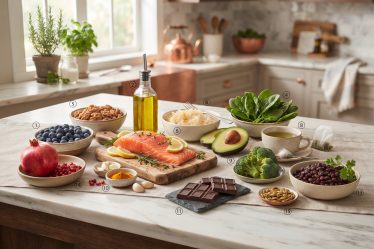
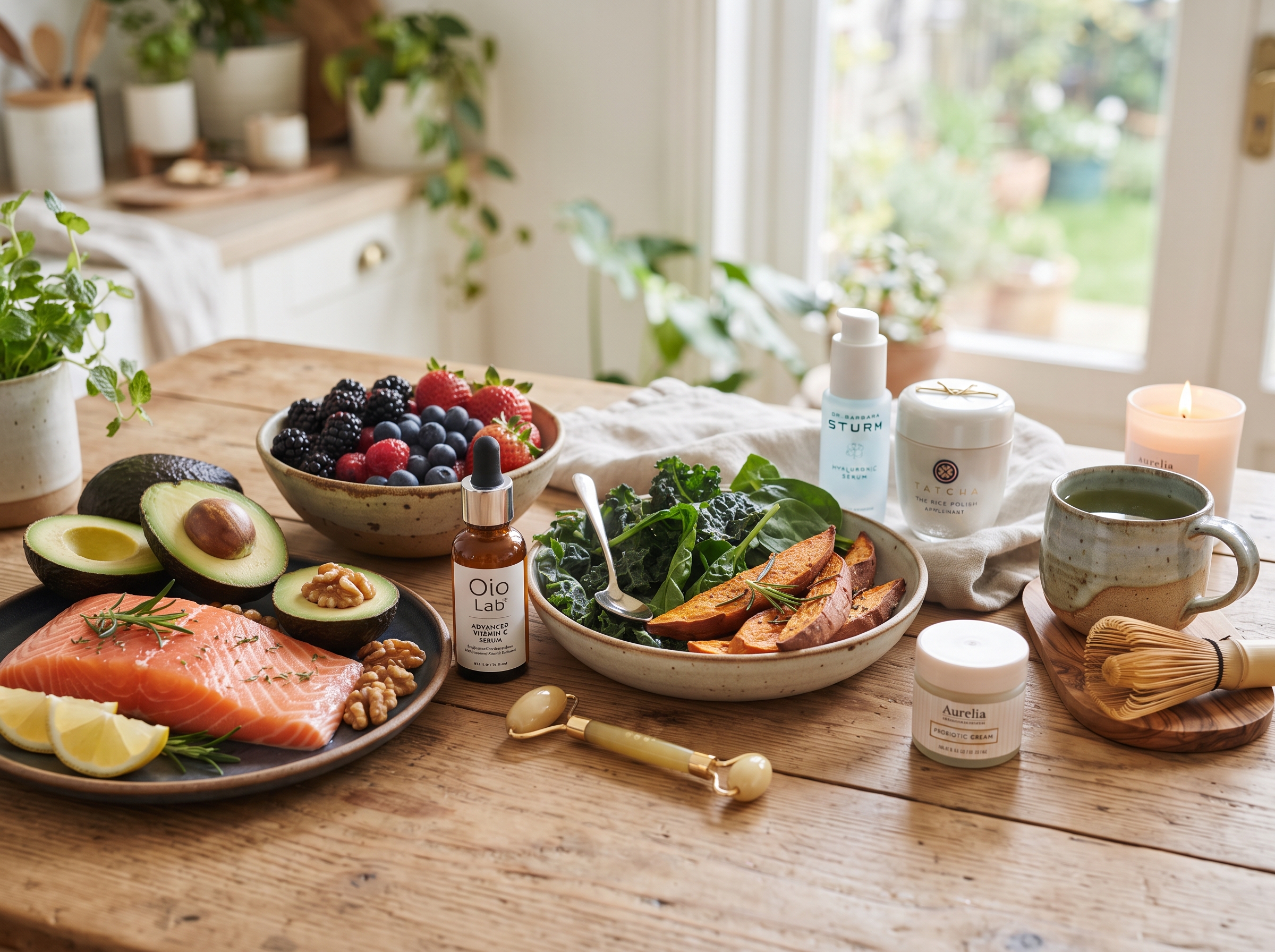
The concise answer: Healthy, radiant-looking skin starts from within. Eating nutrient-dense whole foods rich in carotenoids, essential fatty acids, vitamin C, zinc, and polyphenols—such as avocados, wild salmon, berries, walnuts, dark leafy greens, sweet potatoes, and green tea—nourishes the dermal matrix, protects skin cells against environmental oxidative stress, and supports natural collagen synthesis for a firm, hydrated appearance.
The Inside-Out Approach to Skin Vitality
When it comes to maintaining a radiant, youthful complexing as we age, skincare creams and topical serums only tell half the story. While topical products care for the outermost layer of your skin, true skin elasticity, hydration, and cellular integrity are built from the inside out.
Your skin is your body’s largest organ, and its cells are constantly renewing. The raw building blocks required for that renewal come directly from the nutrients you consume every day.
At Vitaminspoon, we believe in evidence-based wellness that strips away sensationalized beauty myths and unrealistic anti-aging promises. Modern nutritional dermatology shows that targeted dietary choices and high-purity nutrients provide essential structural support for your dermal layers. Let’s explore the seven foods backed by science that nourish your skin from within.
7 Science-Backed Foods for Vibrant Skin
┌─────────────────────────────────────────────────────────────┐
│                 THE DERMAL NUTRITION MATRIX                 │
├─────────────────────────────────────────────────────────────┤
│  Moisture & Lipid Barrier ──> Avocados, Walnuts             │
│                                           │                 │
│                                           ▼                 │
│  Collagen & Matrix Support ──> Berries, Wild Salmon         │
│                                           │                 │
│                                           ▼                 │
│  Cellular & Photoprotection──> Leafy Greens, Green Tea      │
└─────────────────────────────────────────────────────────────┘
1. Avocados: Deep Lipid Hydration and Vitamin E
Avocados are rich in healthy monounsaturated fats that support the skin’s lipid barrier, helping lock in moisture for a soft, supple appearance. They also deliver a potent dose of vitamin E, a fat-soluble antioxidant that helps defend skin cell membranes against oxidative stress caused by UV exposure and environmental pollution.
2. Wild Salmon & Fatty Fish: Essential Omega-3s
Wild salmon, sardines, and mackerel are packed with long-chain omega-3 fatty acids (EPA and DHA). Omega-3s help maintain the lipid membrane of skin cells, keeping them hydrated and plump. They also play a critical role in balancing systemic inflammatory signals that can otherwise lead to skin redness or dry, flaky texture.
3. Berries: Vitamin C and Anthocyanin Defense
Blueberries, blackberries, and strawberries are antioxidant powerhouses. They provide rich concentrations of vitamin C, an essential co-factor required by the body to synthesize new collagen fibers. Additionally, the deep blue and red pigments—called anthocyanins—help neutralize free radicals before they can degrade structural skin proteins.
4. Walnuts: Balanced Essential Fatty Acids
Walnuts are unique among nuts because they contain an ideal balance of omega-3 and omega-6 fatty acids. They also supply zinc, a fundamental trace mineral involved in cellular repair, skin cell turnover, and tissue maintenance.
5. Dark Leafy Greens: Lutein and Cell Protection
Spinach, kale, and Swiss chard offer a dense array of phytonutrients, including lutein and zeaxanthin. These carotenoid antioxidants accumulate in dermal tissues, helping guard skin cells against light-induced oxidative stress while supporting overall skin tone evenness.
6. Sweet Potatoes: Natural Beta-Carotene
Sweet potatoes are exceptionally high in beta-carotene, a plant pigment that your body converts into Vitamin A. When consumed regularly, beta-carotene incorporates into the outer layers of the skin, acting as a natural internal antioxidant shield and giving the complexion a warm, healthy glow.
7. Green Tea: Polyphenols for Skin Resilience
Green tea is packed with epigallocatechin gallate (EGCG), a catechins polyphenol known for its protective biological properties. Drinking green tea or consuming green tea extracts helps protect skin collagen matrixes and supports healthy microvascular circulation, delivering oxygen and vital nutrients to the skin surface.
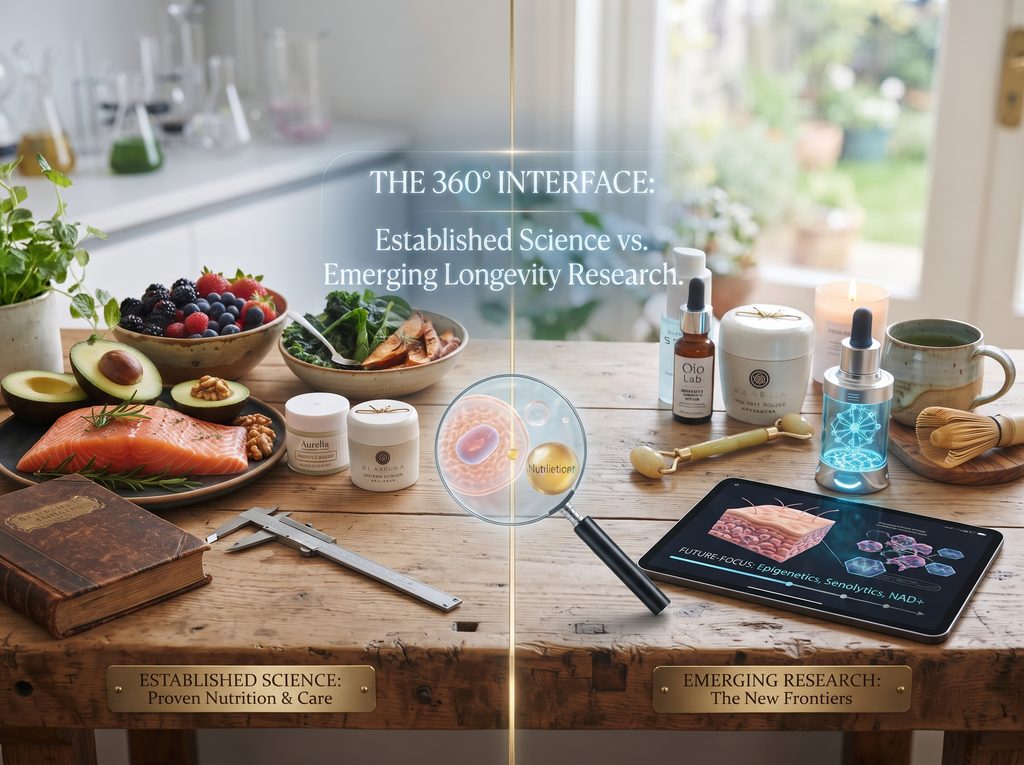
Established Science vs. Emerging Skin Longevity Research
When building an effective nutricosmetic routine, it helps to distinguish well-established dermatological science from cutting-edge research frontiers:
| Skin Health Domain | Established Clinical Science | Emerging Longevity Research |
| Collagen Matrix | Vitamin C is an indispensable co-factor for collagen enzymatic synthesis and structural stabilization. | Hydrolyzed marine collagen peptides and ceramide extracts are evaluated for directly enhancing dermal elasticity and moisture retention. |
| Antioxidant Protection | Dietary carotenoids and vitamin E accumulate in skin layers to neutralize environmental oxidative stress. | Astaxanthin and specific botanical polyphenols are studied for their potential to support cellular resilience against photoreactive damage. |
| Hydration Barrier | Essential fatty acids maintain skin membrane integrity and prevent transepidermal water loss. | Phytoceramides derived from wheat or rice lipids are being researched for fortifying the stratum corneum barrier from within. |
3 Simple Ways to Maximize Skin-Nourishing Foods
- Pair Carotenoids with Healthy Fats: Beta-carotene and lutein are fat-soluble. Drizzle extra virgin olive oil over your leafy greens or sweet potatoes to dramatically boost nutrient absorption.
- Prioritize Vitamin C Daily: Because vitamin C is water-soluble, your body cannot store large amounts. Eat berries, citrus, or bell peppers daily to keep collagen-synthesis pathways supported.
- Stay Consistently Hydrated: All the healthy fats and antioxidants work best when skin cells are well-hydrated. Pair nutrient-dense meals with adequate daily water intake.
Frequently Asked Questions (FAQ)
Can eating these foods replace my daily sun protection routine?
No. While dietary antioxidants like beta-carotene and polyphenols help support cellular defenses against oxidative strain from UV exposure, they do not block UV rays. Dietary nutrition complements, but never replaces, topical broad-spectrum sunscreen.
How quickly will dietary changes affect my skin’s appearance?
Skin cell turnover takes approximately 28 to 40 days depending on your age. While healthy fats can support hydration within a few weeks, noticeable improvements in skin resilience, tone, and texture typically manifest after 1 to 2 months of consistent whole-food nutrition.
Do I need supplements if I already eat a healthy diet?
A whole-food diet is the foundational baseline for skin health. However, modern food processing, soil variations, and busy schedules can make it challenging to consistently obtain optimal therapeutic levels of bioavailable collagen peptides, omega-3s, and targeted antioxidants through diet alone.
Nourishing your skin from the inside out is one of the most rewarding steps you can take for your overall healthspan and confidence. But bridging the gap between everyday meals and optimal skin nutrition shouldn’t involve guessing or sorting through hundreds of hyped-up beauty pills.
At Vitaminspoon, we make it simple to put nutricosmetic science into practice. Our curated collection of high-purity, third-party tested supplements—featuring bioavailable collagen, essential omega-3s, and targeted botanical antioxidants—delivers clean, science-backed support for your skin without unvetted ingredients or exaggerated claims.
Explore our research-backed formulations at Vitaminspoon today, and give your skin the inner nourishment it deserves!