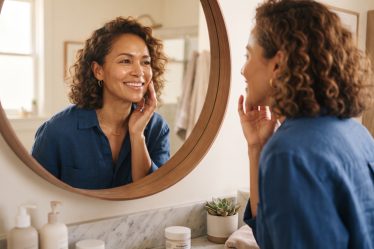

Healthy skin as you age depends on a combination of foundational structural nutrients (hydrolyzed collagen peptides, Vitamin C, zinc), lipid-barrier builders (phytoceramides, essential fatty acids), and antioxidant defenders (Astaxanthin, CoQ10, Vitamin E). Together, these research-backed compounds support dermal elasticity, moisture retention, and cellular resilience against environmental stress.
We’ve all seen the headlines promising to turn back the clock overnight. “Erase wrinkles in 3 days!” or “The miracle pill to reverse aging forever!” Sound familiar?
If you are skeptical of wild anti-aging claims, you are in good company. At Vitaminspoon, we believe true wellness starts with cutting through the noise. While no magic potion can magically turn an 80-year-old’s skin into an 18-year-old’s, modern nutritional science offers fascinating insights into how specific compounds support skin structure at the cellular level.
Healthy aging isn’t about erasing your life’s story—it’s about fueling your body’s natural maintenance systems so your skin remains resilient, hydrated, and glowing at every stage of life. Let’s look at what the science actually says about skin nutrition.
The Structural Builders: Collagen & Co-Factors
As time moves on, our skin’s natural production of collagen—the protein structural framework that keeps skin firm—gradually declines. By our 30s and 40s, internal collagen synthesis slows down by roughly 1% per year.
1. Hydrolyzed Collagen Peptides
- What the Science Says: Established clinical research shows that consuming low-molecular-weight hydrolyzed collagen (peptides) supports skin elasticity, dermal hydration, and overall density.
- How It Works: Rather than directly replacing lost collagen wholesale, consumed peptides serve as bioactive signaling molecules. They encourage your skin’s fibroblasts to produce new collagen and elastin fibers naturally.
2. Vitamin C (Ascorbic Acid)
- What the Science Says: Vitamin C isn’t just for immune season; it is a vital enzyme co-factor in collagen synthesis.
- How It Works: Without adequate Vitamin C, your body cannot link the amino acids proline and lysine together to form stable collagen triple-helix molecules. It also acts as a primary aqueous antioxidant, neutralizing free radicals generated by daily UV exposure.
3. Zinc and Copper
- What the Science Says: These trace minerals are fundamental for tissue repair and protein cross-linking.
- How It Works: Zinc aids in cellular division and DNA repair within skin cells, while copper helps activate lysyl oxidase, an enzyme essential for structural matrix assembly.
The Moisture Lock: Barrier Lipids
Dryness is one of the most common complaints associated with mature skin. This occurs because the epidermal lipid matrix naturally loses its moisture-sealing oils over time.
4. Phytoceramides
- What the Science Says: Ceramides make up nearly 50% of the outer skin layer (stratum corneum). Plant-derived ceramides (phytoceramides from wheat, rice, or konjac) have been shown in clinical settings to support moisture retention and reduce transepidermal water loss.
- How It Works: Taken orally, phytoceramides are distributed via the microcirculation to nourish the epidermal barrier from within, creating a smooth, supple skin texture.
5. Essential Fatty Acids (Omega-3 & GLA)
- What the Science Says: Diets rich in EPA/DHA (from fish oil or microalgae) and Gamma-Linolenic Acid (GLA from evening primrose oil) help maintain a balanced inflammatory response in the skin tissue.
- How It Works: These healthy fats reinforce cell membranes, helping cells hold onto water while calming localized redness caused by daily environmental stressors.
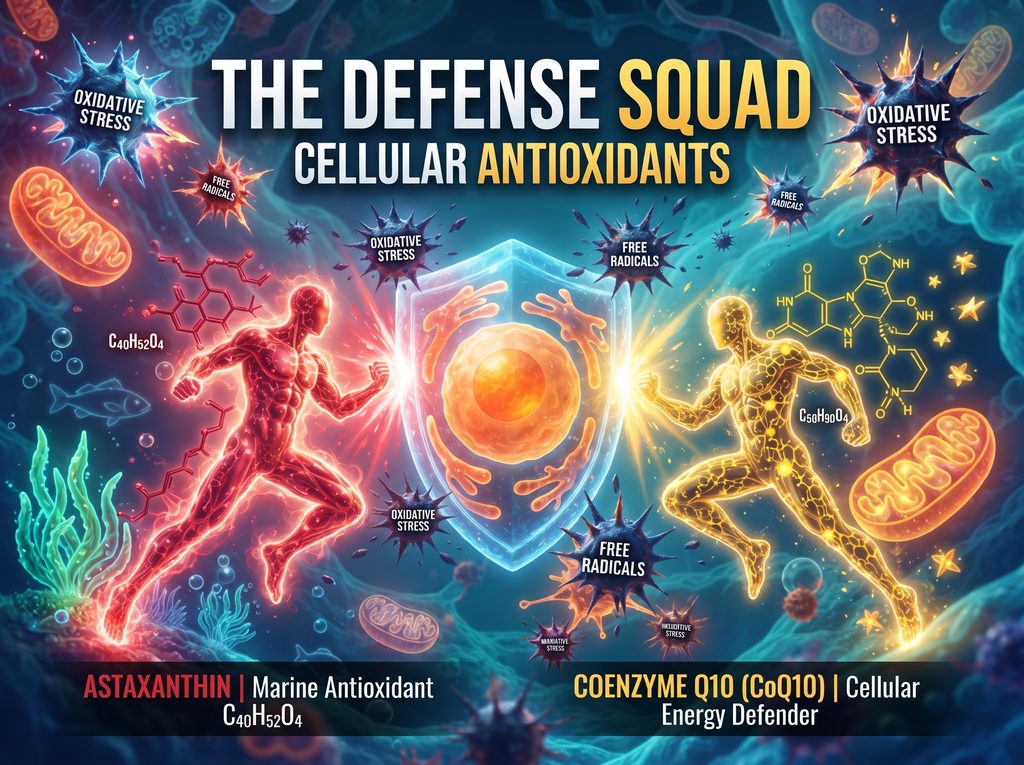
The Defense Squad: Cellular Antioxidants
Oxidative stress—caused by pollution, sunlight, poor sleep, and metabolic waste—accelerates structural breakdown in skin cells. Antioxidants act as your skin’s personal bodyguard network.
6. Astaxanthin: The Marine Antioxidant
- What the Science Says: Derived from microalgae (Haematococcus pluvialis), astaxanthin is one of nature’s most potent carotenoids. Clinical trials demonstrate its ability to support skin smoothness, moisture content, and micro-texture.
- How It Works: Because of its unique chemical structure, astaxanthin spans the entire cell membrane, offering dual-layer protection against oxidative damage.
7. Coenzyme Q10 (CoQ10)
- What the Science Says: CoQ10 is crucial for cellular energy (ATP production) within the mitochondria. As systemic levels drop with age, skin cell energetic output decreases.
- How It Works: Supplementing with bioavailable CoQ10 helps energize skin cells, supporting their natural renewal and maintenance cycles while offering robust antioxidant activity.
Established Evidence vs. Emerging Longevity Science
When navigating the modern wellness landscape, it is helpful to separate tried-and-true nutrition from emerging cutting-edge research:
| Category | Nutrient / Compound | Evidence Status | Key Role |
|---|---|---|---|
| Established Foundation | Vitamin C, Zinc, Essential Fatty Acids | Strong Clinical Consensus | Basic collagen synthesis, barrier function, structural repair. |
| Validated Bioactives | Collagen Peptides, Phytoceramides, Astaxanthin | Growing Clinical Trials | Targeted support for skin elasticity, hydration, and micro-texture. |
| Emerging Longevity Tools | Nicotinamide Riboside (NR), NMN, Urolithin A | Preliminary / Ongoing Research | Mitochondrial renewal and cellular NAD+ support (focusing on systemic cellular health rather than immediate topical skin effects). |

Simple Daily Strategies for Healthy Aging
Supporting your skin isn’t just about what you take; it’s about how you build a sustainable routine:
- Pair Nutrients Wisely: Take fat-soluble antioxidants like Astaxanthin, CoQ10, and Vitamin E alongside meals containing healthy fats (such as avocado, nuts, or olive oil) for optimal absorption.
- Hydrate Intentionally: Water feeds the extracellular matrix inside your body, while lipid-rich nutrients help lock that moisture into your outer skin layers.
- Prioritize Sleep: Your skin’s repair mechanisms peak during deep sleep cycles, when growth hormone secretion spikes and cellular turnover increases.
Frequently Asked Questions
Can oral supplements replace topicals like sunscreen or retinol?
No. Oral nutrients work systemically from the inside out, whereas topicals act directly on the outer dermal layers. Broad-spectrum SPF remains the single most effective defense against photoaging. Think of internal nutrients as building the foundation and topicals as maintaining the exterior walls.
How long does it take to see results from nutricosmetics?
Skin cell turnover takes approximately 28 to 40 days, and this process slows as we age. Most human clinical studies measuring skin elasticity and hydration evaluate outcomes after 8 to 12 weeks of consistent daily use.
Do I need to reverse aging to look and feel healthy?
“Reverse aging” is a popular buzzword, but true cellular health focuses on optimizing your biological age rather than reversing time. Nurturing your biological systems helps ensure your skin remains healthy, resilient, and vibrant throughout life.
Want to understand the science behind healthy aging? Explore more evidence-based wellness insights and product recommendations from Vitaminspoon.