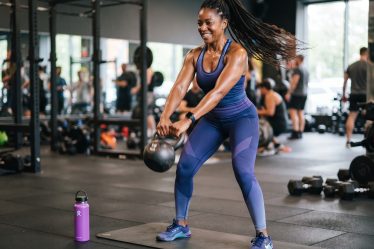

Healthy aging isn’t about trying to turn back the clock or freeze yourself in time. In simple terms, healthy aging is the process of optimizing your physical, mental, and social health so you can maintain independence, vitality, and quality of life as you grow older.
While traditional aging often focuses on managing health conditions after they arise, healthy aging flips the script toward proactive vitality. It is about extending your healthspan—the period of life spent free from chronic illness and disability—so that your later years are filled with energy, purpose, and adventure.
Why does it matter? Because living longer only matters if you actually feel good enough to enjoy it.
The New Science of Longevity: Healthspan vs. Lifespan
For generations, modern medicine focused almost entirely on lifespan—adding years to life. Today, longevity science is shifting focus toward healthspan—adding life to those years.
Recent advances in longevity research show that aging is not a fixed, inevitable decline. Instead, it is a dynamic process influenced heavily by daily lifestyle choices, cellular health, and emerging scientific interventions.
While emerging research into cellular rejuvenation, NAD+ boosters, and senolytics offers exciting possibilities for the future, established science continues to prove that foundational health habits remain the most reliable drivers of longevity.
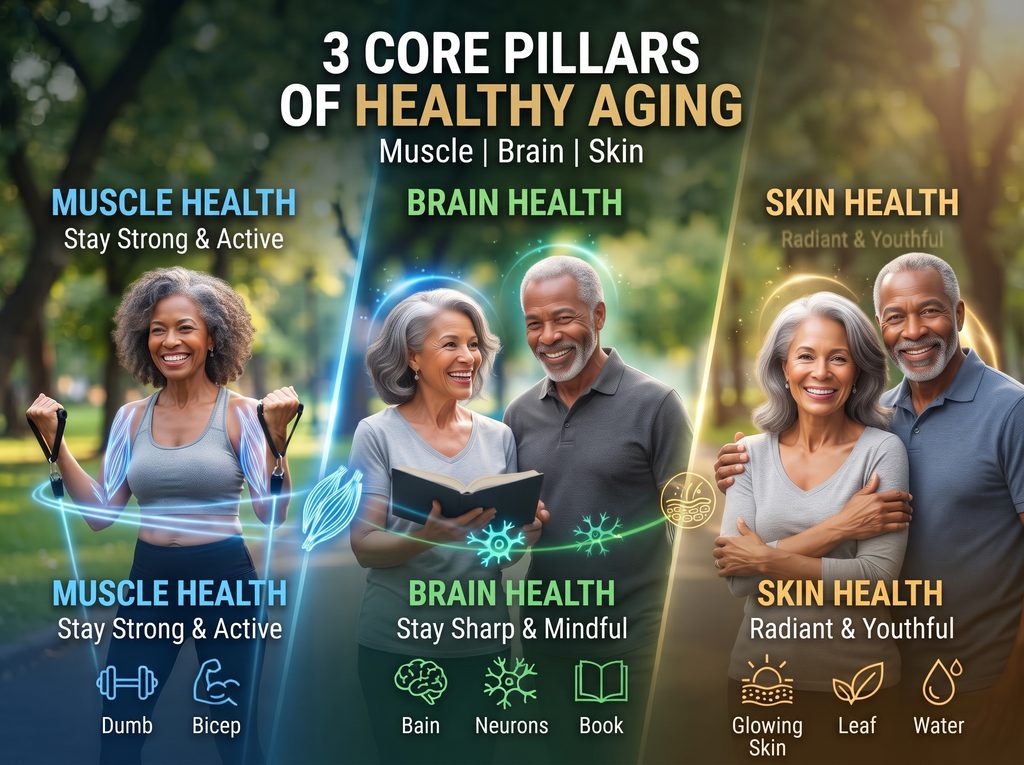
3 Core Pillars of Healthy Aging
To build a resilient body and mind that withstand the test of time, focus on these three essential areas:
1. Muscle Health: Your Longevity Insurance Policy
If there is a true fountain of youth, it is found in your muscle tissue. Starting around age 30, adults naturally begin to lose muscle mass—a process known as sarcopenia. Without intentional intervention, this decline can compromise mobility, balance, and metabolic health.
- Why muscle health matters: Muscle acts as a metabolic reservoir and physical armor. Maintaining strong muscles protects joint function, supports healthy blood sugar regulation, and reduces the risk of falls.
- Evidence-based action:
- Resistance Training: Engage in strength training exercises at least 2 to 3 times per week.
- Protein Intake: Prioritize adequate dietary protein throughout the day to support muscle repair and synthesis.
- Daily Movement: Incorporate regular aerobic activity like brisk walking or cycling to keep cellular powerhouses (mitochondria) strong.
2. Brain Health: Keeping Your Mind Sharp and Adaptive
Cognitive health is central to maintaining independence and joy throughout life. Brain health isn’t just about memory; it involves focus, processing speed, emotional resilience, and neuroplasticity—the brain’s ability to adapt and build new neural connections.
- Why brain health matters: Protecting your cognitive vitality ensures you can stay sharp, stay connected, and continue learning at every decade.
- Evidence-based action:
- Mental Engagement: Challenge your brain with complex tasks, foreign languages, musical instruments, or strategy games.
- Quality Sleep: Aim for 7 to 9 hours of restorative sleep per night to allow the brain’s glymphatic system to clear cellular waste.
- Stress Management: Practice mindfulness, deep breathing, or yoga to lower chronic cortisol levels, which can impact brain structure over time.
3. Skin Health: The Barrier Reflecting Internal Wellness
Your skin is your body’s largest organ and its primary protective barrier against environmental stressors. Healthy skin aging isn’t just about appearance; it’s a reflection of structural integrity and hydration.
- Why skin health matters: As we age, collagen production naturally decreases and cell turnover slows down. Supporting skin health protects against environmental damage and helps maintain elasticity and moisture.
- Evidence-based action:
- Sun Protection: Consistently use broad-spectrum sunscreen to guard against UV-induced cellular damage.
- Hydration & Nutrition: Consume antioxidants, healthy omega-3 fatty acids, and plenty of water to nourish skin cells from within.
- Targeted Skincare: Use evidence-backed topical ingredients like retinoids, vitamin C, and hyaluronic acid to support skin renewal.
Established Evidence vs. Emerging Longevity Science
With so much noise in the wellness industry, it is crucial to separate proven strategies from experimental innovations.
| Area | Established Evidence | Emerging Science (Promising, but Evolving) |
| Physical Vitality | Progressive resistance training and cardiovascular movement directly preserve muscle health and endurance. | Peptide therapies and targeted cellular compounds designed to accelerate tissue recovery. |
| Cognitive Support | Mediterranean-style diets rich in healthy fats, combined with quality sleep, support long-term brain health. | Nootropic compounds and targeted brain stimulation devices aimed at optimizing focus and processing. |
| Cellular Wellness | Caloric balance, intermittent fasting, and regular exercise promote natural cellular cleanup (autophagy). | NAD+ precursor supplementation and senolytic agents targeting dormant “zombie” cells. |
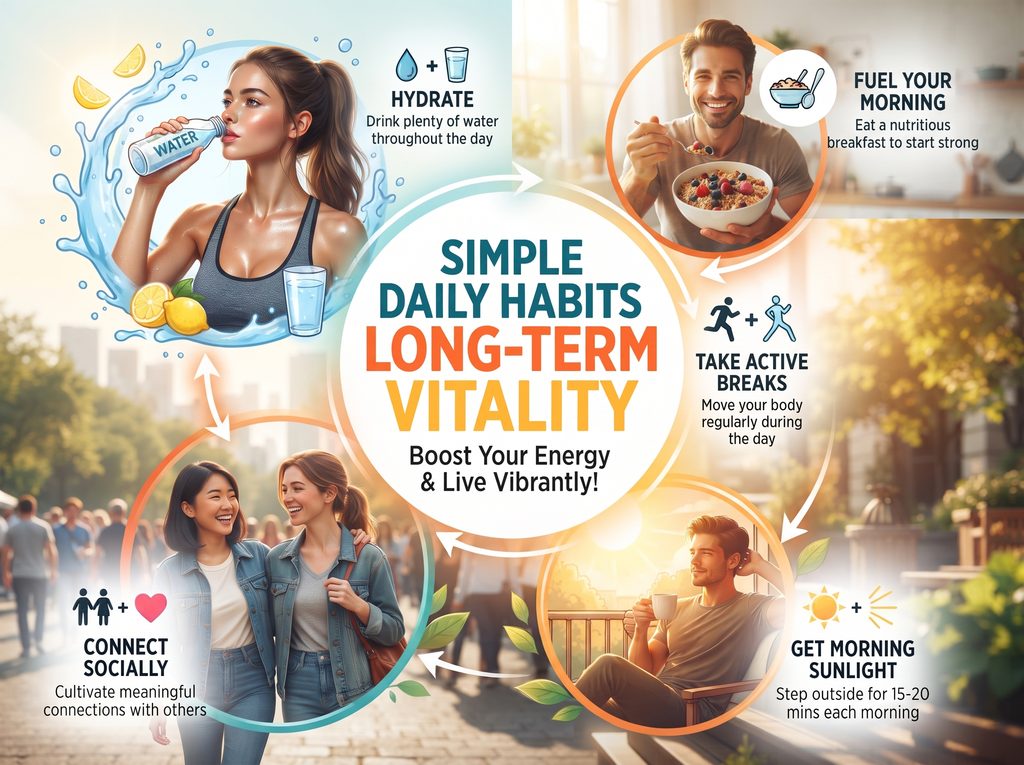
Simple Daily Habits for Long-Term Vitality
Achieving optimal longevity doesn’t require an all-or-nothing overhaul. Small, consistent daily practices compound over time into powerful health benefits:
- Hydrate thoughtfully: Start your morning with a large glass of water, adding electrolytes if needed.
- Prioritize protein at breakfast: Fuel your morning with high-quality protein to support muscle health and stabilize energy levels.
- Take active breaks: Step away from your desk every hour for a 2-minute movement break or light stretch.
- Get morning sunlight: Step outside within 30 minutes of waking to anchor your circadian rhythm for better sleep and cognitive focus.
- Connect socially: Spend meaningful time with friends, family, or community groups to nurture emotional wellbeing.
Frequently Asked Questions About Healthy Aging
Is it ever too late to start focusing on healthy aging?
Not at all. Studies consistently show that individuals who begin strength training, dietary improvements, and stress management in their 60s, 70s, and beyond experience significant gains in muscle strength, cardiovascular fitness, and mental clarity.
Can supplements replace a healthy diet and exercise?
No. Supplements are designed to complement—not replace—a foundational lifestyle of balanced nutrition, physical activity, and adequate rest. While certain evidence-based nutrients can help fill gaps or support specific cellular pathways, core lifestyle habits do the heavy lifting.
What is the difference between biological age and chronological age?
Chronological age is the exact number of years you have been alive. Biological age reflects how well your cells, tissues, and organ systems are functioning based on biomarkers like inflammation levels, metabolic health, and cellular integrity.
Taking the Next Step in Your Wellness Journey
Navigating the world of healthy aging can feel overwhelming with endless trends and complicated science. Making informed choices starts with clear, transparent, and evidence-based information that empowers you to make the best decisions for your body.
Want to understand the science behind healthy aging? Explore more evidence-based wellness insights and product recommendations from Vitaminspoon.